
Selling to a ministry, a PSU or a city body is not a longer version of selling to a company. The buyer is a committee, the decision is written down, and the person who likes your product is rarely the person who signs. Account-based marketing works in this world — but only if you run it the way government actually buys.
Key takeaways
- Government buyers are committees, and needs are shaped months before a tender is published.
- Map 10–20 named accounts: who decides, who influences, who can block and what each is measured on.
- Write material an officer can put on a file and forward internally without you in the room.
- Warm introductions through forums, roundtables and peers matter more in B2G than anywhere else.
- Budget for 12–18 months and measure account progress, not leads per month.
Why B2G breaks normal marketing
Most B2B playbooks assume a buyer who searches, compares and books a demo. Public-sector buyers rarely behave like that. Needs are shaped months before a tender appears, by people who read policy notes, speak at forums and ask peers what worked elsewhere. By the time a requirement is public, the shortlist in everyone's head is already written.
That is why broad campaigns underperform here. Clicks and impressions do not reach a joint secretary, and a cold email does not get forwarded to the committee that matters.
Map the account, not the tender
Start with a short list of accounts — a ministry division, a state department, three or four PSUs, a handful of smart-city SPVs — and map each one properly:
Who decides. The officer who owns the outcome and signs the file.
Who influences. Technical advisors, consultants, the programme management unit, peers in other states.
Who can block. Finance, procurement, vigilance and IT security.
What they are measured on. Scheme targets, audit findings, citizen complaints, a minister's announcement.
The map tells you who needs to hear what. It also tells you where you already have a way in.
Write for the file, not the feed
Government buyers need material they can put on a file and defend in a meeting: a short briefing note, a white paper grounded in Indian deployments, a comparison of implementation models, a costed pilot proposal. Write for the officer who has to explain the decision to someone senior. Plain language, specific numbers from your own work, and no marketing adjectives.
Earn the introduction
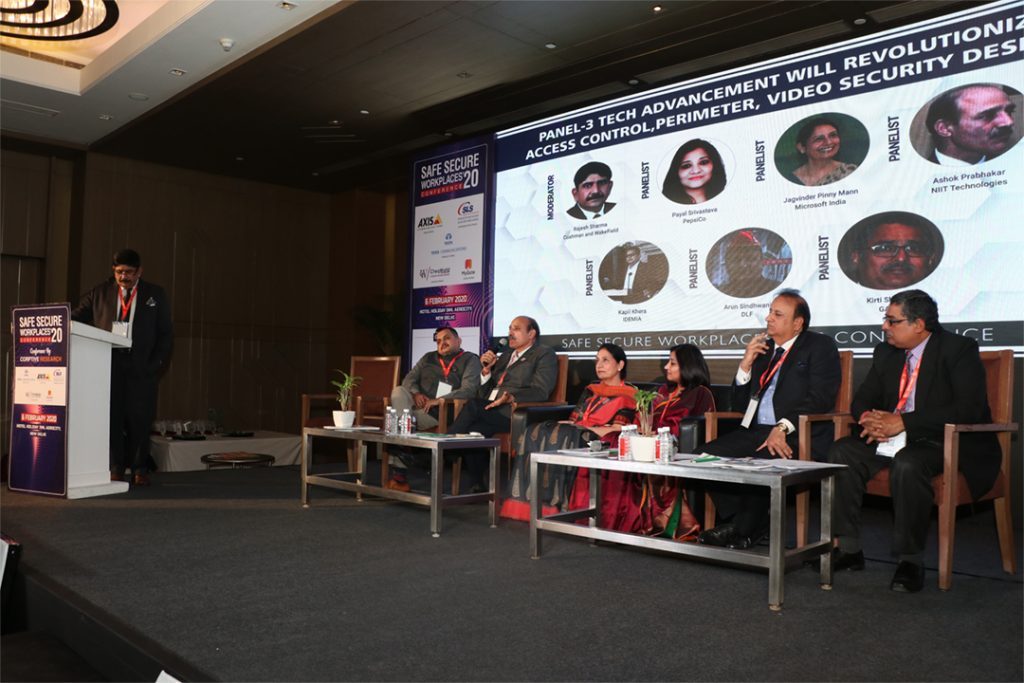
Warm introductions matter more in B2G than anywhere else. Officers take meetings from people they have met at a forum, heard on a panel or been introduced to by a peer. That is why roundtables and closed-door briefings work so well inside an ABM programme: they put your team in a room with the people on your account map, around a problem they already care about.
AI helps with the groundwork — researching each account, drafting briefings, keeping outreach personal at scale. It does not replace the introduction.
Plan for the long cycle
Public-sector cycles are long and lumpy. Budget for twelve to eighteen months of steady contact, not a three-month campaign. Measure progress in account terms — stakeholders engaged, meetings held, pilots discussed — rather than leads per month.
A short checklist
Ten to twenty named accounts, not a sector. A stakeholder map for each one. Two or three pieces of content an officer would forward. A plan for warm introductions, including at least one closed-door session. Monthly reporting on account progress. And patience.
Get in touch with our team
Questions about this topic or a programme? We'll get back to you personally.